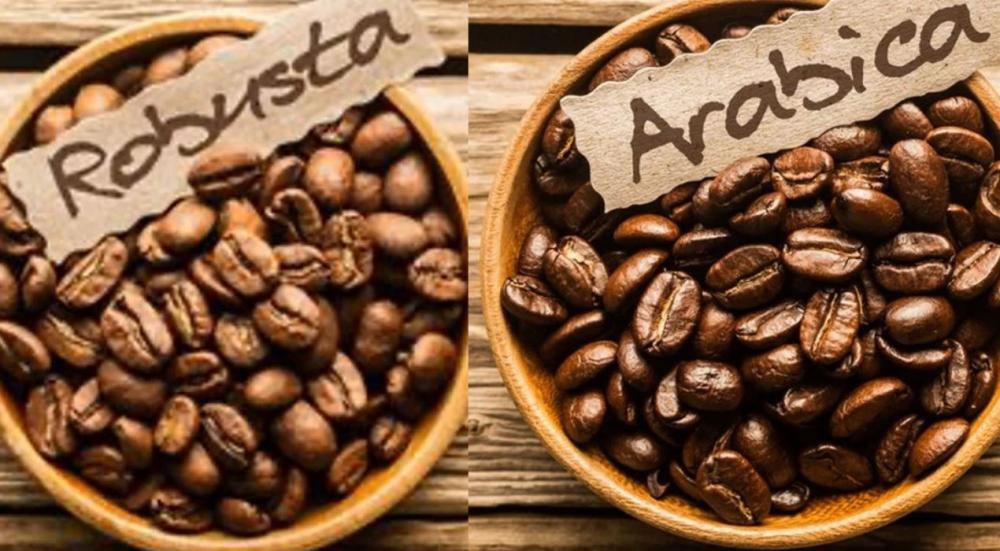
The difference between Arabica and Robusta coffee lies in the depth of flavor and quality of the beans. Arabica is characterized by its rich, fruity, and floral notes, while Robusta offers a stronger taste and a more intense aroma. The varying growing conditions and altitudes contribute to Arabica's smoother, more harmonious texture, while Robusta is known for its strength and higher caffeine content. This contrast provides coffee lovers with a wide range of choices to suit different tastes and preferences.
Because the coffee world needs a store that understands these details, Ibriq stands out as the best store in Saudi Arabia for specialty coffee lovers and brewing equipment. Ibriq offers a carefully curated selection of the finest coffee beans and professional tools suitable for both beginners and experts.
What is the difference between Arabica and Robusta coffee beans?
Origin of Agriculture and the Environment
Arabica beans thrive in cool, high-altitude regions between 600 and 2000 meters, resulting in slower ripening and higher quality, but they require meticulous care and are susceptible to pests. Robusta beans, on the other hand, flourish in warmer, lower-lying areas, offering greater hardiness and higher yields. This difference in environment is the fundamental factor that determines the flavor, price, and overall value of each grain.
Caffeine content
Arabica coffee has a low caffeine content, between 1.2% and 1.5%, giving it a calm and smooth character suitable for enjoying the coffee's flavor. Robusta coffee, on the other hand, has a higher caffeine content, between 2% and 2.7%, which gives it a more pronounced strength and a stronger stimulating effect. Therefore, the choice here depends on your preference: smoothness or strength.
Flavor and taste
Arabica is known for its delicate, complex flavors, featuring fruity and floral notes and a gentle acidity that creates a smoother, more balanced experience. Robusta, on the other hand, offers a more intense taste with a higher bitterness and earthy or woody notes, appealing to those who prefer a bolder coffee. The sensory difference between the two is undeniably apparent from the very first sip.
Grain shape and properties
Arabica beans are oval-shaped with a wavy, "S"-like score, reflecting their delicate nature and sensitivity to environmental conditions. Robusta beans, on the other hand, are rounder with a straight, firmer score, indicating their strength and ability to withstand harsh conditions. This difference makes the two types easy to distinguish even before roasting.
Common uses
Arabica beans are used in specialty coffees and beverages that emphasize subtle flavors and aromatic balance. Robusta beans, on the other hand, are used in espresso blends to add a thick crema and pronounced strength, and are also used in instant coffee due to their consistent taste. Each variety plays a specific role that contributes to the distinctiveness of coffee products worldwide.
Price and market value
Arabica coffee beans are more expensive due to the difficulty of cultivating them and their high production costs, making them the premium choice for specialty coffee lovers. Robusta coffee beans, on the other hand, are less expensive thanks to their high yield and natural resistance, making them ideal for commercial blends and strong espresso. This price difference clearly reflects the difference in quality and intended use.
Get the best coffee from a pot
Xavi - El Salvador | Black Knight
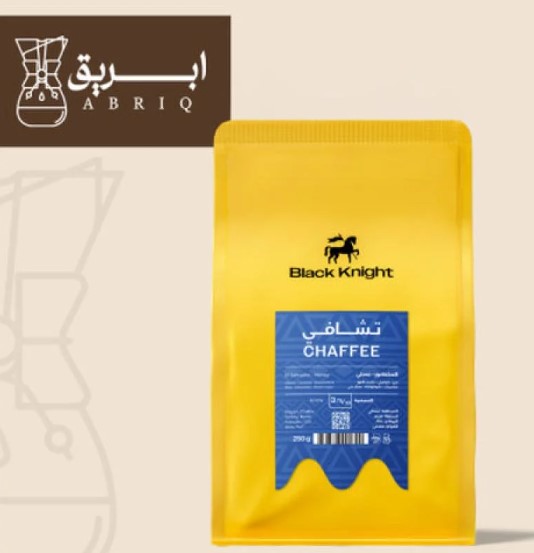
Chavez – El Salvador | Black Night is the perfect choice for lovers of fine coffee, offering a stunning balance of fruit and classic depth. A honeyed treatment gives the bean a full body and rich hints of cherry, caramel, and almond milk. A blend of nuts, chocolate, and brown sugar creates an unforgettable taste experience.
This coffee, grown at an altitude of 1550 meters, offers exceptional quality, perfect for both filter and espresso brewing. With its creamy texture and balanced acidity of 3.75, it delivers a flavorful cup suitable for both hot and cold brews. A superb choice for those who prefer strong coffee with subtle fruity notes and a well-rounded character.
Ethiopian teapot - fruit and flower flavors
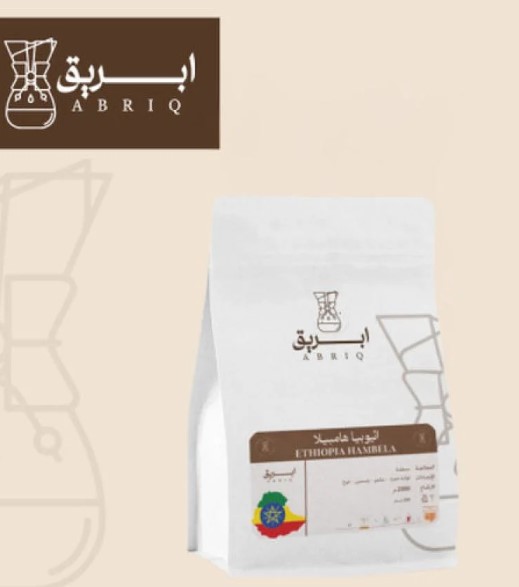
This Ethiopian coffee pot takes you on an exceptional taste journey, blending tropical fruits and aromatic flowers with a purity befitting specialty coffee. Its beans grow at high altitudes, giving them superior quality and depth of flavor. A meticulous natural processing enhances the balance of taste and gives it a vibrant character.
A premium Ethiopian Hierlom variety with a captivating bouquet of red berries, mango, jasmine, and peach. The beans undergo a dry processing process that gives them a unique character, adding warmth and natural sweetness to every sip. An ideal choice for those seeking a sophisticated and unforgettable coffee experience.
Costa Rica Piedra Alta Jug - Chocolate and Caramel
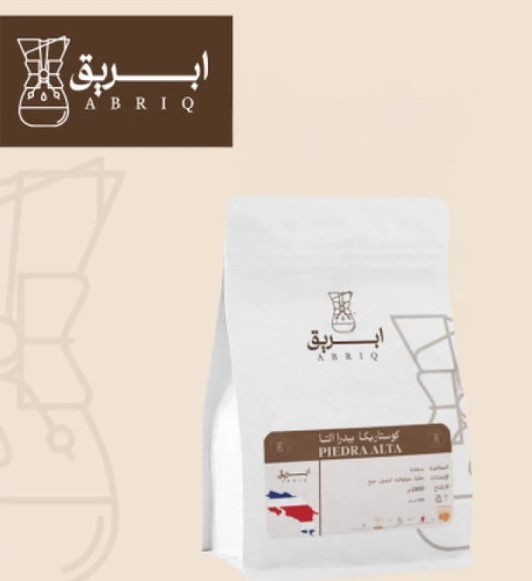
Costa Rica's Piedra Alta jug offers a luxurious blend of chocolate and caramel in a naturally rich and balanced formulation. Grown at an altitude of 1800 meters, the bean achieves perfect ripeness and purity, highlighting the sweet catway flavors and hints of peach. Dry processing preserves the original character of the crop and gives it a distinctive depth in every sip.
This blend is specially formulated for specialty coffee lovers seeking a rich and complex flavor experience. It offers a harmonious mix suitable for both filter and espresso brews, ideal for those who prefer an elegant coffee with distinct caramel and chocolate notes. A perfect choice for those who want to savor natural sweetness and a well-rounded texture in a single cup.
What is Arabica coffee?
Arabica is the star of the coffee world, representing approximately 60–70% of global production and the preferred choice for specialty coffee lovers. Originating in the Ethiopian highlands, Arabica coffee has spread throughout the world, maintaining its status as one of the most distinctive varieties. Its complex flavors, with fruity and floral notes, make it a benchmark of quality and luxury in every cup.
Key characteristics and features of Arabica coffee
- Arabica grows in delicate environments and suitable altitudes, giving its grains high purity and refined flavor.
- Arabica trees are highly susceptible to climate and pests, which makes their cultivation delicate and requires special expertise and attention.
- Arabica excels in its high quality and wide range of flavors, combining balanced acidity and a smooth brewing experience, making it the top choice in the world of specialty coffee.
- Arabica coffee is characterized by a wide variety of flavors, such as fruity and floral notes, with a balanced acidity that distinguishes each cup.
- It is used in precision brewing methods such as manual distillation and espresso due to its rich flavor.
What is Robusta coffee?
Robusta is the second most widely grown coffee variety in the world, accounting for approximately 30–40% of global production thanks to its remarkable resilience to harsh climatic conditions. These beans thrive in hot, low-lying environments, making their production more abundant and less expensive than other varieties. This is what makes Robusta coffee so popular, known for its strength and adaptability. For this reason, Robusta is a staple in commercial blends and instant coffees due to its robust character and high density.
Key characteristics and features of Robusta coffee
- Robusta trees are strong and resistant to pests and harsh conditions, which makes their production stable and abundant.
- It is widely used in instant coffee and espresso blends to enhance crema and strength.
- It is less expensive to grow and more productive, so it is widely used in commercial blends and instant coffee.
- Robusta is characterized by a high caffeine content, which gives it a strong and bitter character, in addition to its high resistance to diseases and pests, which reduces the cost of its production.
The most prominent Arabica and Robusta crops around the world
Arabica crops
- Ethiopia: Attractive fruity and floral flavors reflect the original birthplace of coffee, with amazing regional variations.
- El Salvador: Creamy texture and smooth caramel flavors make it a favorite choice for lovers of smooth coffee.
- Colombia: A well-balanced coffee with a smooth flavor and subtle chocolatey hints, considered one of the most famous and finest crops in the world.
- Costa Rica: Crops known for their purity and bright acidity, reflecting the quality of meticulous and ideal cultivation.
- Yemen: A unique earthy and spicy blend with a heavy texture and authentic traditional character unlike any other origin.
- Guatemala: Bright acidity with deep chocolate layers gives a well-balanced and sophisticated cup.
Robusta crops
- Brazil: Widely used in commercial blends and espresso, it is characterized by a pronounced strength and stable flavor.
- Uganda: One of the best sources of high-quality Robusta, used in espresso blends to add density and rich crema.
- India: A blend of earthy flavors and spices, with a distinctive strength that makes it suitable for bold combinations.
Frequently Asked Questions
What are the disadvantages of Arabica and Robusta coffee?
The high cost of producing Arabica coffee is one of its main drawbacks, making it less competitive in terms of price. Robusta coffee, on the other hand, offers fewer flavor variations compared to Arabica, making it less appealing to those who appreciate high quality.
Which is better, Arabica or Robusta coffee?
Arabica coffee is considered the finest in the world thanks to its complex flavors and fruity and floral notes. It is grown in high-altitude areas and requires careful attention, making it the first choice for specialty coffee lovers.
What is the best blend ratio between Arabica and Robusta?
The right ratio between Robusta and Arabica beans depends on your taste, but a 70% Arabica and 30% Robusta blend is the most balanced between smoothness and strength, while up to 50% Robusta is for those who prefer a stronger flavor and higher caffeine.
What are the benefits of Robusta coffee?
Robusta coffee helps boost energy and alertness thanks to its high caffeine content, and it also contributes to improved concentration and provides antioxidants that support the body's health.
How is Arabica coffee made using the manual drip method (V60)?
- Place the filter paper in the V60 and wash it with hot water to remove any papery flavor and prepare the funnel.
- Add 20 grams of medium-ground coffee, then pour about 50 ml of hot water for the flowering process for 30 seconds.
- Continue pouring the rest of the water slowly and in a circular motion until the distillation is complete within 3–4 minutes to obtain a smooth and balanced cup with clear fruity and floral notes.
Ultimately, understanding the difference between Arabica and Robusta coffee beans is the first step to crafting a cup that reflects your taste and passion. With a coffee shop like Ebraq at your fingertips, you'll find everything you need for a complete coffee experience that combines quality and expertise. Choose what suits you best and begin your journey into the world of specialty coffee from a trusted source that guarantees the best flavor in every sip.