

The difference between Ethiopian and Colombian coffee lies in the stunning harmony of their natural flavors and diverse climates. Ethiopian coffee boasts a rich, aromatic depth with fruity and floral notes, while Colombian coffee stands out with its smooth balance of acidity and sweetness, enhanced by a sophisticated chocolatey touch. The difference in origin and processing methods has given each type its own distinctive character, captivating coffee lovers worldwide.
As for Ibriq Coffee Shop, it's the ideal destination for anyone seeking a complete coffee experience in Saudi Arabia, combining the rarest coffee beans with the most precise brewing equipment. The shop puts the world of specialty coffee at your fingertips, transforming every sip into a unique moment of enjoyment and mastery.
What is the difference between Ethiopian and Colombian coffee?

the color
Ethiopian coffee has a light green color that highlights its distinctive floral and tart notes, reflecting the carefully ripened nature of the beans. In contrast, Colombian coffee is a dark green, indicating a richer flavor and sweeter character with hints of nuts and chocolate. This color difference is an important visual indicator before roasting and reflects the cultivation and processing methods of each variety.
Taste and flavor
Flavor is the most important factor in defining the identity of each coffee. Ethiopian coffee is characterized by floral, tangy fruit, and sometimes berry notes, with a pronounced acidity that gives it a complex character. Colombian coffee, on the other hand, is known for its balanced sweetness, which highlights chocolate, caramel, and nuttiness, along with a fruity touch and moderate acidity. These differences make each tasting experience unique and reflect the soil and processing methods of each variety.
grain shape
Ethiopian coffee beans are characterized by their small size and slightly irregular shape, with natural creases that vary depending on the variety and growing region, giving them a distinctive taste and texture. In contrast, Colombian beans are larger and more rounded, making them easier to identify and reflecting their cultivation. The shape of the beans also influences the roasting method and the final flavor, making each variety a unique taste experience.
agricultural areas
Ethiopian coffee is grown in forests and on various highlands and mountainous regions, particularly in the south and northeast, where varying altitudes result in a wide range of bean flavors and quality. Regions like Sidamo, Harar, and Yirgacheffe are renowned for their distinctive beans, each bearing the unique character of its area. In Colombia, coffee trees thrive in the mid-altitude Andes Mountains, where the temperate climate and rich soil contribute to a well-balanced and flavorful coffee.
Roasting
Ethiopian coffee is often medium roasted to preserve its characteristic floral and tangy notes, while Colombian coffee tends to be deep roasted to bring out its sweet, caramel, and nutty qualities. The degree of roast directly affects the final taste and highlights the natural characteristics of each bean. Proper roasting results in a rich and harmonious tasting experience and reveals the subtle differences between the two varieties.
Treatment
Ethiopian coffee undergoes multiple processing methods, including traditional sun-drying, which preserves its natural flavor, and the washed process, which removes the pulp and husk before drying to bring out the flavor more precisely. Colombian coffee, on the other hand, relies primarily on the washed process, giving the beans a smooth texture and a balanced flavor. This variety of processing methods plays a significant role in highlighting the distinct tastes and making each type of coffee unique.
Preparation method
The best way to prepare Ethiopian coffee is with the traditional pour-over of hot water to bring out its natural, acidic flavors, while Colombian coffee tastes best when using tools like espresso machines or pressure cookers. The brewing method affects the flavor and final texture of each cup, making every experience unique. Adapting to the appropriate brewing method enhances the taste and highlights the distinctive character of each type.
Fame and global demand
Ethiopian coffee enjoys a prestigious global reputation among specialty coffee lovers, sought after for its distinctive floral and fruity notes. Meanwhile, Colombian coffees, such as Excelso, are widely popular worldwide, appreciated for their high quality and excellent flavor balance. This global recognition reflects the added value of each variety and makes the tasting experience unique for every coffee enthusiast.
Cost
Both Ethiopian and Colombian coffee are relatively expensive due to hand-harvesting and cultivation in rugged mountainous regions. The investment in quality and adherence to meticulous traditional methods reflect the farmers' commitment to preserving the beans' unique flavor and character. Despite their similar cost, each variety offers an exceptional tasting experience that justifies its high price.
How do you choose the right one for you between Ethiopian and Colombian coffee?
Choosing between Ethiopian and Colombian coffee depends on your taste and flavor preferences. If you prefer a rich, traditional coffee with a balanced taste that leans towards chocolate and nuts, Colombian coffee is the perfect choice. However, if you're looking for a different experience, full of vibrancy, floral aromas, and citrus fruits, Ethiopian coffee will give you a unique cup that reflects a spirit of adventure.
Get the best coffee bean harvests from a pot
Colombian grape jug envelopes - 5 envelopes
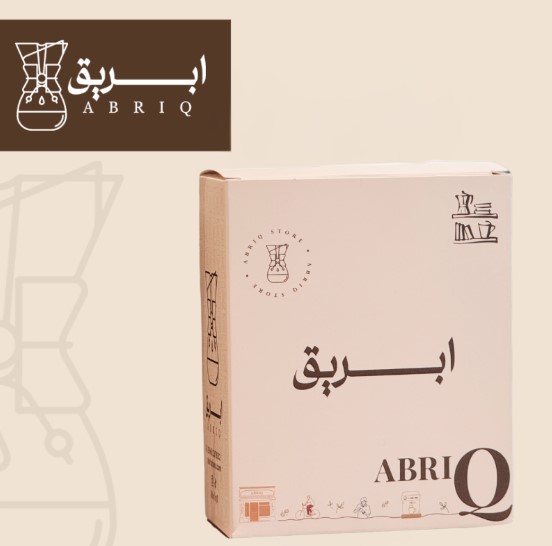
The Colombian Grape Brew takes you on an exceptional taste journey, blending the refreshing flavors of red grapes with hints of tropical pineapple, offering a stunning balance of sweetness and acidity in every sip. The beans undergo a natural processing process that preserves their purity and high quality, ensuring an unforgettable specialty coffee experience.
The sachets are carefully packaged to suit all brewing methods, making preparation quick and easy without compromising taste. An ideal choice for coffee lovers seeking unique and distinctive flavors that combine authenticity and creativity in a single cup.

Ethiopian teapot envelopes - 5 envelopes
The Ethiopian coffee pot offers a unique coffee experience inspired by the coffee's birthplace, with a deep flavor that combines fruity acidity and luxurious floral aromas. It is prepared from carefully selected Ethiopian beans from the finest farms to ensure a perfect balance of flavor and purity in every cup.
These envelopes come in practical packaging that keeps coffee fresh and hot for as long as possible, making them ideal for enjoying specialty coffee anytime, anywhere. A perfect choice for authentic coffee lovers seeking a sophisticated experience that combines convenience with luxury.
Package 2 Ethiopian Crops + Box of Envelopes
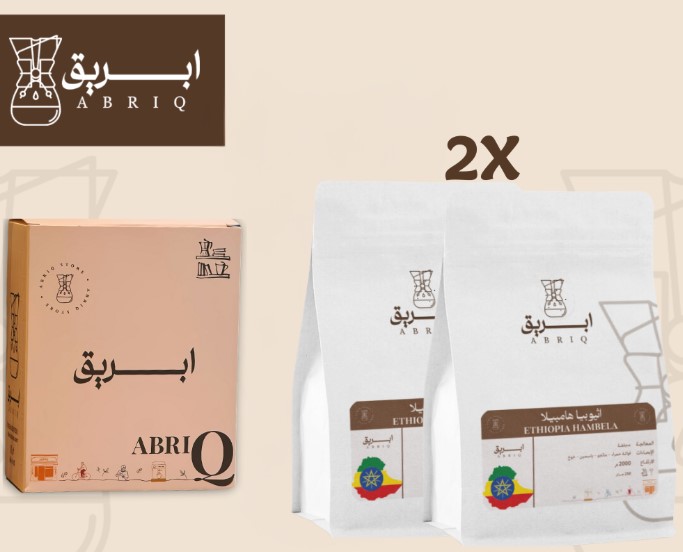
The Ethiopian Harvests package with its envelope box offers an exceptional coffee experience, combining authenticity and excellence in every sip. Carefully selected crops from the Ethiopian highlands boast sophisticated fruity and floral flavors that reflect the richness of the soil and climate. A meticulous natural processing preserves the pure flavor and the highest quality of the beans.
The box comes in an elegant design with easy-to-use sachets, offering convenient preparation and enjoyable flavors anytime. It's the perfect choice for specialty coffee lovers and those who enjoy exploring unique flavors in an experience that combines luxury with simplicity.
What is Ethiopian coffee?
Ethiopian coffee is the birthplace of Arabica beans and is renowned for its diverse varieties, resulting in a wide range of distinctive and unique flavors. Grown in highland soils rich in minerals, it produces high-quality beans used in some of the world's finest specialty coffees. This rich history and global reputation make Ethiopian coffee an ideal choice for those seeking new experiences and unique flavors.
What is Colombian coffee?
Colombian coffee is characterized by its large Arabica beans, which give it a balanced sweetness and a smooth aroma that appeals to all palates. The tropical climate and mineral-rich soils of the highlands and mountains contribute to the unique characteristics of each region's beans. Colombia's long history of coffee cultivation has made it one of the world's leading coffee producers, holding a prestigious place among coffee lovers.
What are the benefits of Colombian coffee and Ethiopian coffee?
Benefits of Colombian coffee
- It contains magnesium, potassium, and vitamins B3, B4, and B5, which promote muscle and nervous system health.
- It helps to get rid of fatigue and exhaustion and increase the ability to concentrate.
- It supports metabolism and fat burning naturally and contributes to maintaining an ideal weight.
- It provides the body with essential nutrients and energy needed to perform daily activities.
- It may help boost mood and stimulate mental and physical activity thanks to its natural caffeine content.
- It helps reduce the risk of developing Alzheimer's disease and improves brain health.
Benefits of Ethiopian coffee
- It reduces the risk of cardiovascular disease and improves blood circulation.
- It may help improve mood and reduce stress thanks to its mild stimulating effect.
- With powerful antioxidants that fight free radicals and protect cells from damage.
- It helps control blood sugar levels and reduces the likelihood of developing type 2 diabetes.
- It promotes brain health and helps improve cognitive functions and memory.
- It supports digestive health and helps stimulate metabolism.
Frequently Asked Questions
Is Colombian coffee sour?
Yes, Colombian coffee has a moderate to high acidity that gives it a balanced and bright flavor without being unpleasantly sour, making it an ideal choice for lovers of rich and harmoniously flavored coffee.
Is Ethiopian coffee sour or bitter?
Ethiopian coffee is a type of sour coffee, as it is moderately acidic and gives a lively fruity flavor. A slight touch of bitterness may appear when roasted dark to enhance the depth of taste.
What is the caffeine content in Colombian coffee?
Colombian coffee contains an average caffeine content of about 1.3%, which is approximately 30 to 50 mg in a cup of espresso and about 200 mg in a regular 240 ml cup of coffee.
What are the main drawbacks of Colombian coffee?
Despite its balance and beloved classic character, Colombian coffee sometimes lacks the complexity and floral and fruity flavors that characterize Ethiopian coffee crops.
Is Ethiopian coffee more acidic than Colombian coffee?
Ethiopian coffee is characterized by higher acidity and distinct floral and fruity flavors, while Colombian coffee is moderately acidic and tends towards chocolate and nuts.
What is the difference between Ethiopian and Salvadoran coffee?
Ethiopian is fruity, floral, and sour, while Salvadoran is balanced with a creamy texture and flavors that range from tropical fruits to caramel and chocolate.
Is Ethiopian coffee strong-tasting?
Ethiopian coffee is not necessarily high in caffeine, but it has a strong and intense flavor thanks to the acidity and fruits, giving a rich taste experience.
What is the difference between Colombian and Brazilian coffee?
The Colombian is balanced between sweetness and acidity with a smooth, creamy texture, while the Brazilian is heavier, richer in flavors with hints of chocolate, nuts, and natural sweetness.
What is the difference between Colombian, Ethiopian and Brazilian coffee?
The Colombian is balanced with smooth and creamy flavors, the Ethiopian is fruity, acidic and complex in taste, and the Brazilian is rich in chocolate and nuts with a heavy texture and low acidity.
What are the differences between the different types of coffee beans worldwide?
Each type of coffee has a different flavor, texture, and acidity. Ethiopian is fruity and sour, Colombian is balanced, Brazilian is rich and heavy, Salvadoran is mild, and Yemeni is earthy and has unique spices.
In concluding our discussion of the differences between Ethiopian and Colombian coffee, it becomes clear that each possesses its own unique charm, reflecting the nature of its origin and its distinctive flavors. Ethiopian coffee captivates with its floral and fruity aromas, while Colombian coffee dazzles with its balanced and rich flavor. For those seeking a complete coffee experience that combines quality and authenticity, Ibriq Coffee Shop is the premier destination in Saudi Arabia for specialty coffee enthusiasts and professional brewing equipment, providing everything you need for a cup that exceeds expectations.