

Coffee lovers seek to eliminate bitterness without sacrificing its rich flavor and unique charm. The ideal coffee is one that achieves balance and harmony in taste. Excessive bitterness can spoil the enjoyment of a cup, but with simple steps and a thorough understanding of its causes, it can be transformed into a luxurious experience that reflects refined taste. It's a journey that begins with the beans and ends with a moment of pure enjoyment in every sip.
Because the perfect experience starts with the right source, Ibriq is the leading specialty coffee and brewing store in Saudi Arabia. It offers a premium selection of beans and equipment that guarantee high quality and balanced flavor every time. With Ibriq, every cup of coffee becomes an artistic experience that exceeds expectations.
Effective ways to get rid of coffee bitterness and improve its taste
Reducing preparation time
Over-pressing often results in a bitter, heavy taste, so try shortening the extraction time to suit your method. For example, in a French press, you can press the plunger 20 seconds earlier than usual for a smoother flavor. Increasing the grind size also helps drain water more quickly and improves balance.
Adjusting the coffee grind
Grit size is one of the most important secrets to flavor balance; the finer the grind, the more the coffee extracts its flavor, but the more bitterness will be present. Use a medium-coarse grind to allow water to flow smoothly, giving the coffee enough time to release its natural flavors without overpowering them. Experiment with adjusting the grind gradually until you find the result that suits your taste.
Balance between the amount of coffee and water
The ratio of coffee to water is what makes the difference between a strong cup and a balanced one. Too little water results in bitterness due to over-extraction, while too much water dilutes the flavor excessively. The ideal ratio for most coffees is between 1:15 and 1:17, but this can be adjusted according to personal taste and brewing method.
Water temperature control
Water that is too hot can burn coffee and make it bitter, so a temperature between 90 and 94 degrees Celsius is recommended for most brewing methods. Use a dedicated thermometer for accuracy; you can rely on devices like PAL-COFFEE (BX/TDS) – Atago for precise measurements that will help you improve the quality of your cup.
What causes coffee to be bitter?
Type of grains used
Low-quality coffee beans are the most common cause of bitterness, as they lack the natural balance of flavors and impart a bitter taste that is difficult to correct even with the best brewing methods. Therefore, it is always advisable to choose fresh beans from reliable sources that guarantee pure flavor and high quality.
Preparation method followed
Preparation errors are what transform a cup of coffee from a pleasant experience into an undesirable bitterness, often resulting from over-extraction. When compounds are extracted from the coffee beans in excess of what is needed, bitter flavors begin to emerge, disrupting the desired flavor balance.
Get the best coffee from the Ibriq store
Adham Mix - Ethiopia | Black Knight
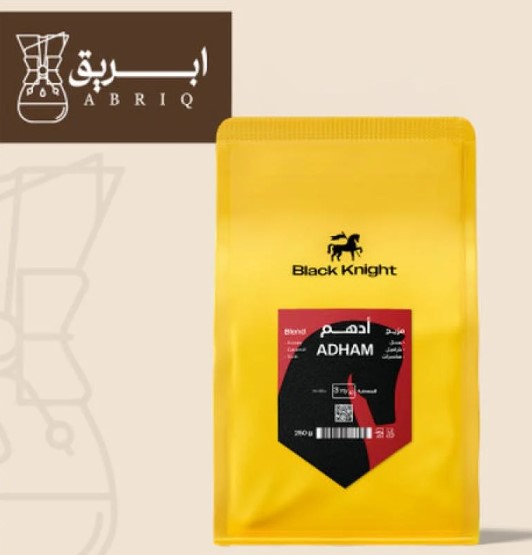
Adham's Black Knight blend is the first exclusive edition, carefully crafted to offer a perfect balance of texture, sweetness, and luxurious aromatic notes. A dried treatment enhances the blend's natural depth, revealing unique hints of honey, caramel, and cashew, making every cup a delightful experience that exceeds expectations.
This coffee boasts a full body and pronounced sweetness, making it suitable for all brewing methods, whether filter, espresso, or milk-based drinks. An everyday choice to suit diverse tastes, it's inspired by classic Ethiopian coffees, offering a balanced blend of authenticity and luxury in every sip.

Ethiopian teapot - fruit and flower flavors
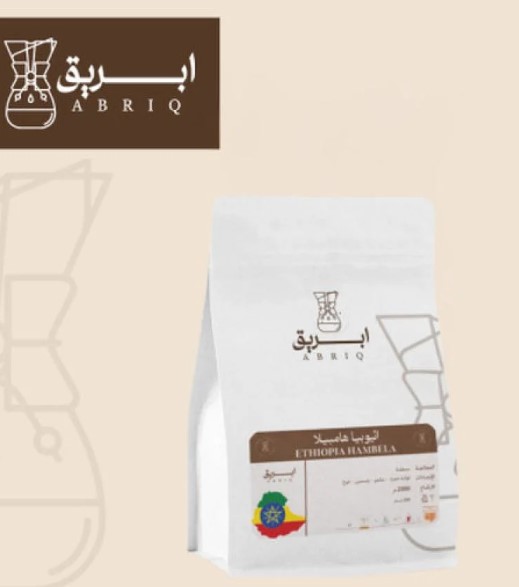
Ethiopia Coffee Pot – with its fruity and floral notes – takes you on a journey to the Hembela Highlands, where coffee trees thrive amidst lush landscapes and shade trees, giving the beans an exceptional balance of flavor. Descended from the venerable Heerlum lineage, this coffee blends mango, peach, and red fruit notes with aromatic jasmine touches, adding an elegant and vibrant dimension.
With its natural dry processing and high-altitude cultivation, this coffee offers a unique balance of sweetness and aromatic freshness. A sensory experience that captures the essence of authentic Ethiopian coffee, it's the perfect choice for specialty coffee lovers seeking a refined taste that carries the imprint of nature in every sip.
Costa Rica Piedra Alta Jug - Chocolate and Caramel
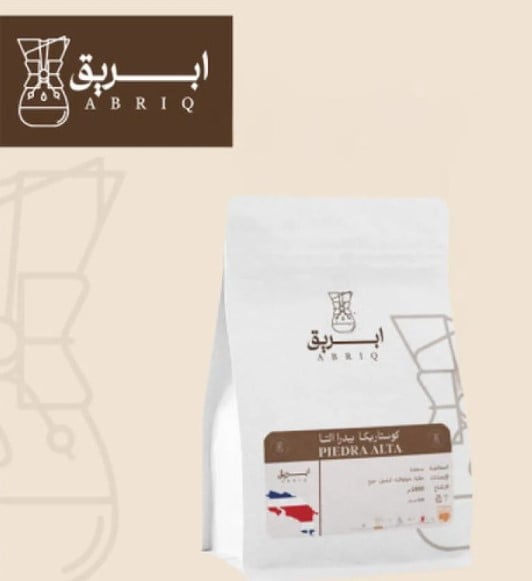
Costa Rica's Piedra Alta Chocolate & Caramel coffee comes from the ancient highlands of Piedra Alta, where coffee trees grow at high altitudes, giving the beans a rich and balanced flavor. This Catway coffee boasts naturally sweet notes that blend chocolate, caramel, and fruity peach hints, offering a unique experience that embodies the authenticity of Central America.
Thanks to its natural dry processing, this version retains its authentic character and well-rounded body, combining smoothness and depth. It's an ideal choice for specialty coffee lovers seeking an exceptional balance of sweetness and aromatic richness in every sip from a Costa Rican Piedra Alta pot.
Factors that balance acidity and bitterness in coffee after extraction
- Coffee grind size: A fine grind enhances bitterness and intensifies the flavor, while a coarse grind produces more acidity and a milder taste. Choosing the right grind for your brewing method is essential for achieving the perfect balance.
- Water temperature: Low temperature (82–87°C) increases acidity and reduces bitterness, while high temperature (up to 93°C) reduces acidity and intensifies bitterness, so it must be carefully adjusted according to the desired flavor.
- Extraction time: A short extraction brings out the acidity and fruity notes, while a long extraction highlights the bitterness. In espresso, a time between 25 and 30 seconds is ideal for achieving the desired balance.
The difference between acidity and bitterness in coffee
Acidity in coffee
Acidity gives coffee a bright, refreshing taste with a delicious fruity character, often prominent in light to medium roasts. These flavors appear in the early stages of extraction and become more pronounced when using relatively low-temperature water (below 90°C). Ethiopian coffee is a prime example, known for its excellent balance and vibrant fruity notes.
bitterness in coffee
Bitterness is a strong, sharp flavor that typically emerges at the end of the brewing process and is often associated with dark roasts or water temperatures exceeding 90°C. Over-extraction or using an overly fine grind can also result in harsh or burnt notes that disrupt the coffee's natural balance. However, careful control of brewing time and temperature ensures a subtle bitterness that adds depth and elegance to the flavor.
Reasons for over-extraction in coffee
- Over-brewing: Taking too long causes coffee to lose its balance, losing its fruity flavors and becoming overly concentrated and bitter. Be sure to adhere to the appropriate brewing time for each method to achieve the perfect cup.
- Very fine grind: The finer the coffee grounds, the faster the water passes through and the flavors are extracted, resulting in a more pronounced bitterness. Therefore, it's advisable to adjust the grind size to suit your brewing method to achieve an ideal flavor balance.
- Using too much water: Excessive water intake leads to over-extraction of all the compounds in the coffee, including those responsible for bitterness. The ideal ratio of water to coffee ensures a balanced taste rich in natural flavors.
- High water temperature: Using water hotter than 205 degrees Fahrenheit leads to the rapid extraction of bitter substances, while moderate heat (between 195 and 205) helps to bring out balanced flavors without excess.
Frequently Asked Questions
What are the acidity levels of coffee?
Coffee's pH level ranges from 4.85 to 5.10 on the pH scale, varying depending on the type of beans and the roasting method. The lower the pH, the more acidic the coffee and the more pronounced its fruity notes.
What are the different types of sour coffee?
Ethiopian and Kenyan coffees are among the most acidic varieties, with fruity and floral notes, while Colombian coffee is characterized by its balanced acidity and subtle chocolatey aromas. Colombian coffee is also considered to be among the least acidic coffees.
How can bitter coffee taste better?
Bitterness can transform into a rich and appealing flavor when balanced with sweetness and acidity. This bitterness lends a hint of dark chocolate or chestnut, making the coffee more profound and distinctive.
When does coffee over-extraction occur?
Over-extraction occurs when compounds are extracted from coffee beans in excess of the ideal amount, causing the flavor to change from balanced to bitter and heavy.
Ultimately, eliminating bitterness is the key to achieving a balanced flavor that combines strength and smoothness in every sip. When you master the selection of beans and the brewing method, coffee transforms from an ordinary beverage into a luxurious, sensory experience. And because quality begins with the right tools, Ibriq Store offers everything you need for the world of specialty coffee.