
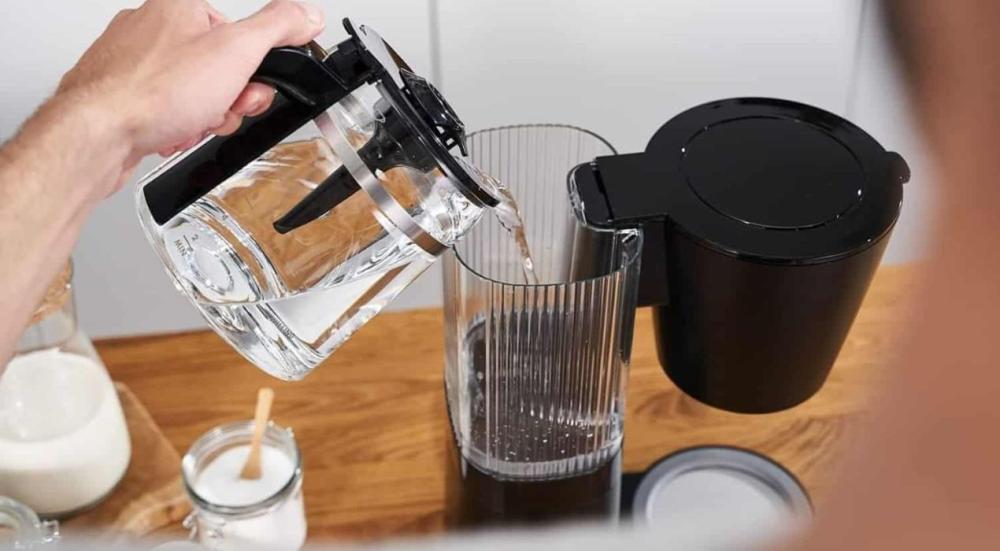
The best water for coffee isn't just a liquid; it's the secret to every flavorful and authentic cup. Choosing the right water depends on its purity and mineral balance, allowing the coffee's taste and natural aromas to shine through. The perfect water ensures a complete coffee experience, from the first sip to the last drop.
Ibriq Coffee Shop is your ultimate destination in Saudi Arabia for specialty coffee and brewing equipment. The shop offers a complete selection of premium coffee beans and innovative tools that make every coffee experience exceptional. With Ibriq, you'll discover the difference between simply drinking coffee and enjoying the art of brewing it.
What is the best water for coffee?
Water for coffee
This water features a precise mineral formulation specifically designed to enhance coffee extraction and bring out its natural flavors. It contains a delicate balance of essential minerals to boost taste without causing bitterness or a metallic aftertaste. Using this type of water provides a professional coffee experience similar to that served in specialty cafes.
Home-filtered water (RO)
Water treated with a reverse osmosis system is an excellent choice for restoring essential minerals like calcium and magnesium. This ensures an ideal balance of flavor and extraction during brewing. Filtered water removes impurities and chlorine, giving coffee a clean taste free from unwanted metallic aftertaste.
Light mineral water
Light mineral water contains a balanced amount of minerals, making it ideal for optimal coffee extraction. Its moderate alkalinity and suitable TDS help to highlight the chocolate, fruit, and citrus notes. It's best to choose bottles that clearly indicate the mineral content and pH level to ensure consistent flavor with every brew.
The best coffee from a pot
Xavi - El Salvador | Black Knight
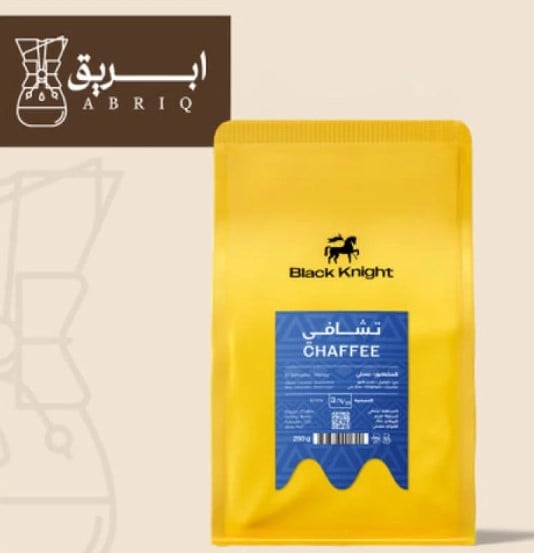
Chavez – El Salvador | Black Knight, an exceptional coffee experience that combines authenticity and depth. It is processed with a honey-like technique that gives it a unique balance between sweetness and intensity, with a creamy texture that melts in the mouth and reveals a captivating blend of chocolate and caramel.
Its flavors are a harmonious blend of almond milk, nuts, and brown sugar, making it an ideal choice for lovers of classic, strong coffee and light fruity notes. Suitable for both hot and cold brewing, it delivers a rich, detailed, and authentically Salvadoran cup every time.

Adham Mix - Ethiopia | Black Knight
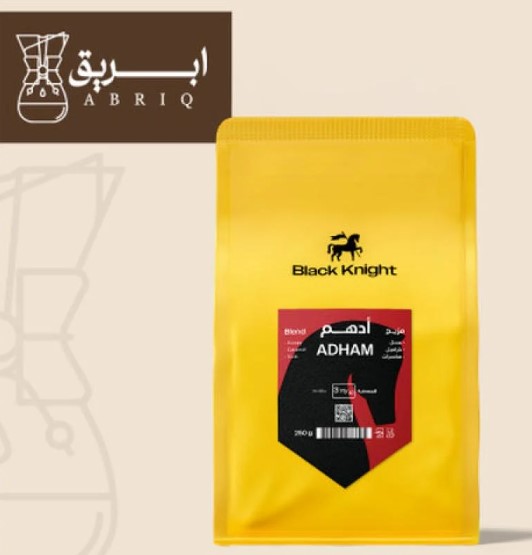
Adham Blend – Ethiopia | Black Knight, a masterful blend that highlights the depth of flavor and the balance of detail in every sip. It has been dry-processed to give the coffee a full body, overflowing with natural sweetness and refined honeyed notes that showcase the authentic Ethiopian character.
A delightful blend of honey, caramel, and cashew notes offers a complete flavor experience suitable for all brewing methods, from filter to espresso and milk-based drinks. It's the perfect everyday choice for coffee lovers seeking the ideal balance of richness and smoothness.
Black Knight Crops Pack

The Black Knight Blend is a unique experience that combines three of the finest specialty coffees in a stunning harmony of flavors. Shilashli – Ethiopia, with its rich fruity character and hints of berry and chocolate; Adham Blend – Ethiopia, with its warm honey and roasted cashew notes; and Chave – El Salvador, with its enchanting blend of cherry, caramel, and nuts.
Each variety boasts a unique flavor profile, offering a complete tasting experience suitable for all brewing methods, whether filter, espresso, or cold brew. This set is ideal for coffee lovers seeking variety in every cup, and it also makes an elegant presentation or a sophisticated gift that reflects exceptional taste.
The importance of water quality in making a cup of coffee
Water plays a pivotal role in coffee preparation; it's not just a liquid, but an essential element that determines the flavor and aroma of each cup. Tap water quality varies depending on location, and impurities and excess minerals can negatively impact extraction, reducing the quality of even the finest coffee beans.
Perfect water unlocks the full potential of ground coffee, transforming each cup into a unique experience. Conversely, low-quality water masks these aromas and dilutes the flavor, resulting in a less satisfying and enjoyable coffee. Coffee aficionados and connoisseurs alike know that the difference between an ordinary cup and an exceptional one begins with the water. That's why reputable coffee shops invest in sophisticated filtration systems to ensure consistent quality in every cup.
Ideal water properties for extracting balanced coffee
- The pH should be close to neutral, between 7.0 and 8.5, to avoid bitterness and maintain the natural flavor.
- The presence of calcium and magnesium in moderate proportions gives coffee a smooth texture and a richer taste.
- Total alkalinity ensures a stable balance and prevents excessive acidity, but increasing it may weaken the vitality of the taste.
- The Specialty Coffee Association (SCA) recommends a level of 150 mg/L of soluble solids for optimal and balanced extraction.
What is the difference between hard water and fresh water in preparing coffee?
hard water
Water hardness, or its mineral content, plays a crucial role in preparing the perfect cup of coffee. Hard water, rich in calcium and magnesium, enhances the extraction process and brings out the coffee's flavors more clearly, but it can also lead to mineral buildup inside equipment, affecting its lifespan and the quality of the brew.
fresh water
Fresh water, which often has a high sodium content, can make coffee taste bland or undesirably bitter. For optimal balance, water hardness between 50 and 80 parts per million (ppm) is recommended, with chloride levels below 60 ppm to protect equipment and ensure a pure flavor.
Ways to improve water quality for coffee preparation
Filtering tap water
The best water for coffee should be clean and free of odors and chlorine. Using a filter, such as an activated carbon filter, helps remove impurities and chlorine, improving the taste. Filters can be attached to the pot or directly to the tap to provide consistently clear water.
Reverse osmosis system
Reverse osmosis systems remove most minerals from water, which can result in a bland cup of coffee if essential minerals aren't replenished. Remixable reverse osmosis systems adjust the mineral content to balance extraction. Tap water can also be mixed with reverse osmosis water for optimal balance.
Hard water and soft water
Water hardness determines the amount of dissolved minerals like magnesium and calcium, which enhance the flavor of coffee. Hard water can cause mineral deposits inside machines, while soft water provides a balanced extraction. Therefore, it's essential to monitor water hardness and use a water softener when necessary.
bottled water
Bottled water varies in mineral content and pH, which affects the flavor of coffee. Some types are alkaline, some are acidic, while few contain a balanced mineral profile suitable for extraction. Choosing the right type of water helps to bring out the natural flavors of the coffee and achieve a well-balanced brew.
The importance of temperature in preparing the perfect cup of coffee
Water temperature plays a crucial role in determining coffee flavor and extraction quality. The ideal temperature ranges between 90 and 96 degrees Celsius (195–205 degrees Fahrenheit); water that is too hot results in excessive bitterness, while water that is too cold produces weak and incompletely flavored coffee.
The need to adjust the water temperature varies depending on the type of beans and the brewing method. Lightly roasted coffee typically requires hotter water to fully extract its flavors. Whether you're using an espresso machine, drip coffee maker, or French press, precise temperature control ensures the perfect balance for every cup. Temperature also affects brewing time; cold water prolongs extraction and increases the likelihood of losing the ideal flavor.
The effect of total dissolved solids (TDS) on coffee flavor
- Total dissolved solids (TDS) measures the concentration of minerals in water, which is the primary factor in determining taste quality.
- The ideal range is between 75 and 250 parts per million to achieve a balanced extraction and complete flavor.
- A high TDS gives coffee a richer, stronger taste, while a low TDS results in a weak, bland cup.
- Minerals such as calcium and magnesium enhance the purity of the flavor and give coffee a distinctive depth.
- Excessive water hardness causes excessive extraction and an undesirable bitter taste.
- Using a TDS meter helps to control water quality and maintain consistent taste in every preparation.
The most popular bottled water brands for preparing coffee in Saudi Arabia
- Nova: Contains essential minerals such as calcium and magnesium with moderate hardness and a pH of 7.4, suitable for all preparation methods.
- Oasis: A precise treatment including reverse osmosis and remineralization, which enhances water quality and improves coffee flavor.
- Arwa: A pH level of 7.0 and a balanced mineral content ensure the preservation of the coffee's natural flavor and a consistent, continuous experience.
- Safa Makkah: An advanced processing system that ensures water purity and a balanced pH level, a reliable choice for obtaining high-quality coffee.
- Aquafina: Pure water with a low mineral content and a pH between 5.5 and 7, providing a balanced extraction and smooth coffee flavor.
- Nestle: A balanced mineral composition and a pH of 7.2, ideal for extracting flavors and obtaining a consistent cup of either espresso or drip coffee.
Frequently Asked Questions
How can hard water be avoided when preparing coffee?
Use filtered water or water purification systems to reduce harmful minerals, preserving the taste and brewing quality. Alternatively, you can rely on bottled water with an ideal mineral balance to ensure optimal coffee extraction.
What is the best water for specialty coffee?
Tap water needs to be filtered to remove chlorine and impurities, while bottled water should be mineral-balanced to enhance the coffee's flavors. Deionized water, on the other hand, is best for restoring essential minerals to ensure a rich and balanced cup of coffee. These types of water are also among the best for drip coffee.
What is the best water temperature for making coffee?
The ideal water temperature is between 90 and 96 degrees Celsius (195–205 degrees Fahrenheit). This range ensures balanced flavor extraction and gives the coffee a rich, delicious taste.
How does water hardness affect the taste of coffee?
Hard water enhances flavor extraction and highlights the coffee's characteristics, but it can cause mineral buildup in equipment. Water that is too soft can produce weak or bitter coffee. The key is to find the right balance of minerals for optimal flavor extraction.
How can the effects of hard water be avoided in the home?
Use filtered water, bottled water, or water purification systems to ensure balanced water quality. This simple solution preserves the coffee's flavor and prevents mineral buildup in your equipment.
In conclusion, choosing the best water for your coffee is the most important step to ensuring a perfect cup that combines rich flavor with perfect purity. With Ibriq Store, you'll not only get the best coffee brewing tools, but you'll also find expertise and passion in every product, for an exceptional coffee experience at home. Make every cup a unique moment with Ibriq, where excellence meets quality.