
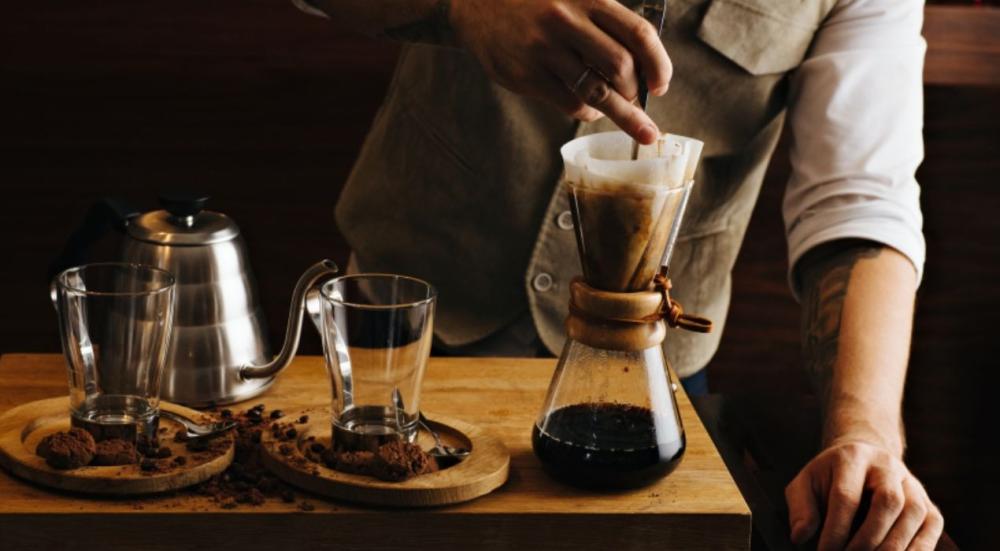
The history of specialty coffee is a long journey of excellence, from the meticulous selection and cultivation of beans in ideal environments to the sophisticated roasting methods that bring out the unique flavors of each crop. This dedication has made specialty coffee more than just a beverage; it's a complete sensory experience that combines quality and precision in every cup.
In Saudi Arabia, Ibriq stands out as the premier destination for specialty coffee lovers, offering carefully selected beans and state-of-the-art brewing equipment for a professional experience. Ibriq combines quality and refined taste, transforming every moment of coffee drinking into a unique and unforgettable experience.
What is the history of specialty coffee?
Specialty coffee emerged as a global movement toward higher quality in the 1970s, when coffee lovers began rejecting conventional commercial options and seeking unique flavors and a richer, more complex experience. Specialty coffee shops and cafes arose, carefully selecting beans from specific growing regions, focusing on ideal acidity, body, and flavor depth, to offer an experience that transcends a mere daily beverage and becomes a true journey into the world of coffee.
Over time, the term "specialty coffee" has become a global standard of quality, based on a rigorous evaluation that includes flavor, balance, and the absence of defects in the beans, along with a commitment to sustainable farming and support for local farmers. Today, specialty coffee is not just a beverage, but a complete cultural and social experience, offering consumers full transparency in production and incredible variety in every cup, making it a symbol of quality and innovation in the world of coffee.
Top specialty coffee producing countries
- Colombia: Its high-altitude plantations and traditional processing methods give Colombian coffee a rich, balanced, and acidic flavor. This coffee is globally recognized for its exceptional taste and high quality.
- Indonesia: Known for its wet processing system, which gives coffee a deep, earthy flavor, the island is famous for producing Sumatra coffee, with its robust body and complex chocolatey notes, making it a globally recognized specialty.
- Ethiopia, the birthplace of coffee, is renowned for producing beans rich in unique and diverse flavors, ranging from fresh fruit to fragrant flowers. Among its most famous varieties are Yergachev and Goji, considered among the finest Ethiopian specialty coffees.
- Guatemala: Thanks to its mountainous terrain and volcanic soil, Guatemala produces complex-flavored coffee, combining fruity sweetness with hints of spice, making each cup a rich and balanced experience.
- Brazil: The world's largest coffee producer, its beans are known for their heavy body, sweet and balanced flavors with low acidity, and are considered essential in the coffee industry thanks to their versatility and exceptional quality.
The best specialty coffees from Ibriq store
Adham Mix - Ethiopia | Black Knight
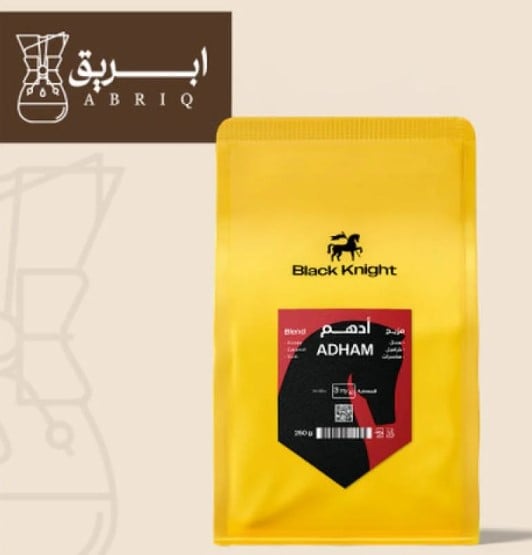
Experience authentic coffee with Adham Blend - Ethiopia | Black Knight, where the dried processing of the beans gives it a deep, balanced flavor that combines pronounced sweetness with honeyed notes. A full body and rich flavors of honey, caramel, and cashew make every cup a true coffee lover's journey.
This carefully crafted blend, made from hybrid beans grown at altitudes of 1500-2200 meters, is versatile enough to suit all brewing methods, from filter to espresso and even milk-based drinks. It's the perfect everyday choice for anyone seeking consistent quality and a distinctive flavor that combines richness and comfort in every cup.
Ethiopian teapot - fruit and flower flavors
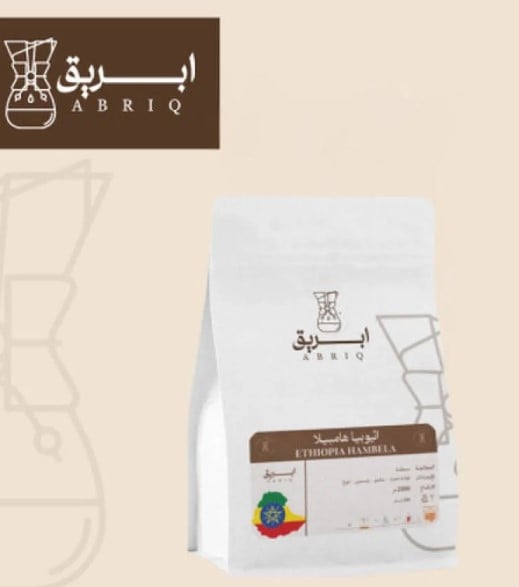
Experience the magic of Ethiopian coffee – a blend of fruit and flower flavors. The rich aromas of tropical fruits mingle with fragrant blossoms to create a balanced and unique coffee experience. High-altitude beans ensure excellent quality and consistent taste in every cup.
This natural blend of Hierlom coffee combines notes of red berries, mango, jasmine, and peach, making it an ideal choice for specialty coffee lovers seeking excellence in every sip. The dry processing enhances the beans' original flavor for a rich and well-rounded experience.
Black Knight Crops Pack
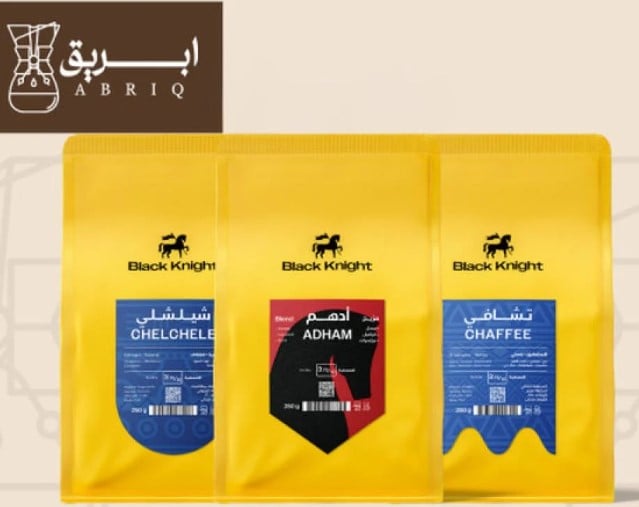
Experience the finest specialty coffees with the Black Knight Crops Package, a blend of three unique crops from Ethiopia and El Salvador. This package offers a rich and varied flavor profile, from fresh fruit and chocolate to honey, caramel, and nuts, giving each cup depth and perfect balance.
The package includes: Shilashli – Ethiopia in strawberry, raspberry, and chocolate flavors; Adham Blend – Ethiopia in honey, caramel, and cashew flavors; and Chave – El Salvador in cherry, caramel, chocolate, and nut flavors. Suitable for all brewing methods, from filter and espresso to cold brew, it makes a premium choice for personal enjoyment or an elegant gift for coffee lovers.
What is meant by specialty coffee?
Specialty coffee represents the pinnacle of excellence in the coffee world, classified according to bean quality and meticulous preparation methods. The beans are carefully selected from specific farms and undergo a controlled roasting process that brings out their unique flavors and ensures a rich and complete experience in every cup. The quality of specialty coffee is based on precise standards set by the Specialty Coffee Association, which guarantees that every cup served reflects the highest levels of flavor, balance, and excellence, making it a global benchmark for quality and professionalism in the coffee industry.
Factors that determine the taste of specialty coffee
Preparation methods
There are many ways to prepare specialty coffee to offer a diverse experience for every coffee lover, whether through French press or drip brewers such as Chemex, Kalita, V60. Each method reveals different flavors, and the choice of method depends on the type of beans and the complexity of the desired flavor, making coffee preparation a delicate art that combines science and creativity.
Roasting techniques
Roasting techniques are among the most influential factors in coffee flavor, controlling the release of natural oils and the emergence of each bean's unique flavor profile. Roast levels range from light to dark, and the barista selects the optimal roast to achieve the perfect balance of acidity, body, and complex flavors, enhancing the tasting experience and adding depth to every cup.
Criteria for selecting specialty coffee
Choosing the perfect coffee depends on several criteria, including bean quality, origin, and cultivation methods, as well as roasting and packaging. The Specialty Coffee Association ensures that each batch is evaluated according to the highest standards of quality and flavor, providing the consumer with a complete experience that reflects the uniqueness and expertise in every cup.
Factors in choosing the best types of coffee
- Bean type: Arabica coffee is rich in flavor and smooth, while Robusta is stronger in caffeine and more bitter, giving you a different experience according to your taste.
- Preparation method: Espresso requires carefully concentrated beans, while drip or pouring methods reveal the subtle details of the flavor.
- Processing method: Washed processing gives purity and clarity in taste, while dried adds sweetness and natural richness.
- Toast level: Light roasting brings out fruity and citrusy flavors, while dark roasting gives a bitter and creamy taste with a strong roasted touch.
- Flavor preferences: Choose what suits your taste—fruity and floral, or balanced and deep, to reflect your personality in every cup.
- Source of grain and altitude of cultivation: Coffee grown in high-altitude areas is characterized by depth and complexity of flavors, with higher quality in every sip.
The difference between specialty and regular coffee
Specialty coffee
Specialty coffee is characterized by the meticulous selection of green beans free from major defects and with few minor flaws, followed by precise roasting and cupping sessions to evaluate acidity, body, flavor, and aroma. Every stage, from cultivation to roasting and tasting, is monitored according to SCA standards to ensure a rich and complete experience. Specialty roasters develop individual roast profiles for each small batch to bring out the best characteristics of the beans and guarantee freshness and a distinctive taste in every cup.
regular coffee
Regular coffee is often made from mixed beans with a higher percentage of defects and is not subject to rigorous evaluation or individual roasting for each batch. The flavors are less varied and the quality less consistent, resulting in a less rich and complex drinking experience compared to specialty coffee. Furthermore, the cultivation, processing, and roasting stages are not subject to strict controls, impacting the final taste and distinctiveness of the cup.
The life cycle of roasted coffee beans
- Freshly roasted coffee: It offers the best experience when consumed 5 to 10 days after roasting, when the gases have been released and the flavors have settled, balancing the acidity and highlighting the rich taste in espresso or filter coffee.
- Mature coffee: Over time, the beans lose some of their flavor and aroma, while bitterness increases. Adjusting the grind and extraction time can help achieve a balanced taste despite these changes.
- Expired coffee: It may still be suitable for brewing, but it loses complexity and rich flavors, and it still contains caffeine, but the taste experience will not be perfect.
Roasting degrees and their effect on flavor
- Light roast: High acidity, pronounced sweetness, low bitterness. This highlights the original flavors associated with the bean's origin and delivers a pure and aromatic coffee experience.
- Medium roast: Balanced acidity, moderate sweetness, and moderate bitterness. It combines the original grain flavors with toasted notes for a perfect balance.
- Dark roast: Low acidity, mild sweetness, high bitterness. Strong roasted flavors dominate with a distinctive oily note that reflects the character of dark coffee.
Tips for storing coffee and keeping it fresh
- Store coffee in an airtight container away from air, moisture, and direct heat.
- Rely on trusted roasters that care about quality and transparency, such as “Cooper Cup”.
- Buy fresh grains and grind them just before preparation for maximum flavor.
- Avoid exposing coffee to direct light, and choose a cool, dry place to store it.
- Read the product description carefully to choose the right grains for your preferred cooking method.
Frequently Asked Questions
What is the best time to consume coffee?
The ideal timeframe is 4 to 14 days after roasting. This duration ensures a concentrated flavor and rich aroma when prepared.
How do I keep my coffee beans fresh?
Store the beans in an airtight, opaque container in a cool, dry place. This preserves the flavor and aroma and extends the coffee's shelf life.
Why is the roasting date important?
The roasting date determines the freshness of the beans and the quality of their flavor and aroma. Always choose freshly roasted beans for a rich and well-rounded coffee experience.
Can coffee be used after its expiry date?
It can be used, but the flavor and aroma gradually lose their quality. For the best experience, only freshly brewed coffee is recommended.
How long do coffee beans stay fresh?
Whole grains stay fresh for about three months after roasting. Consuming them quickly ensures a balanced and ideal flavor.
How do different types of coffee affect flavor?
The choice of bean type determines the character of the coffee; Arabica lends a nuanced and delicate flavor, while Robusta adds strength and bitterness. Blends like Blend provide balance and depth, combining the best qualities from multiple varieties.
Is coffee originally from Saudi Arabia?
Saudi coffee is a symbol of hospitality and heritage, but its origins go back to Ethiopia, where the coffee plant was discovered more than a thousand years ago.
How does roasting affect the taste?
The degree of roasting reshapes the acidity, sweetness, and bitterness of the grain. Light roasting brings out the original flavors, while dark roasting enhances bitterness and a richer texture.
Who first discovered coffee?
The discovery of coffee is attributed to the Ethiopian shepherd Kaldi, who noticed his goats' increased activity after eating the red berries of the coffee tree. This is considered the legendary beginning of coffee's spread from Ethiopia to the world.
How do coffee tools change the brewing experience?
Flavors and textures vary depending on the preparation method; a cezve (traditional coffee pot) provides a concentrated consistency, while pouring tools offer smoothness and subtle aromatic details. Accessories such as a grinder and filters enhance the precision of the preparation and the quality of the result.
In conclusion, the history of specialty coffee is a long journey of passion and quality, where coffee has transformed from an everyday beverage into a complete sensory experience reflecting craftsmanship and excellence. With Ibriq Coffee Shop in Saudi Arabia, coffee lovers can enjoy the finest beans and the best brewing equipment, making every moment of coffee drinking a unique and unforgettable experience. Specialty coffee with Ibriq is not just about taste; it's a lifestyle that embodies luxury and professionalism in every cup.