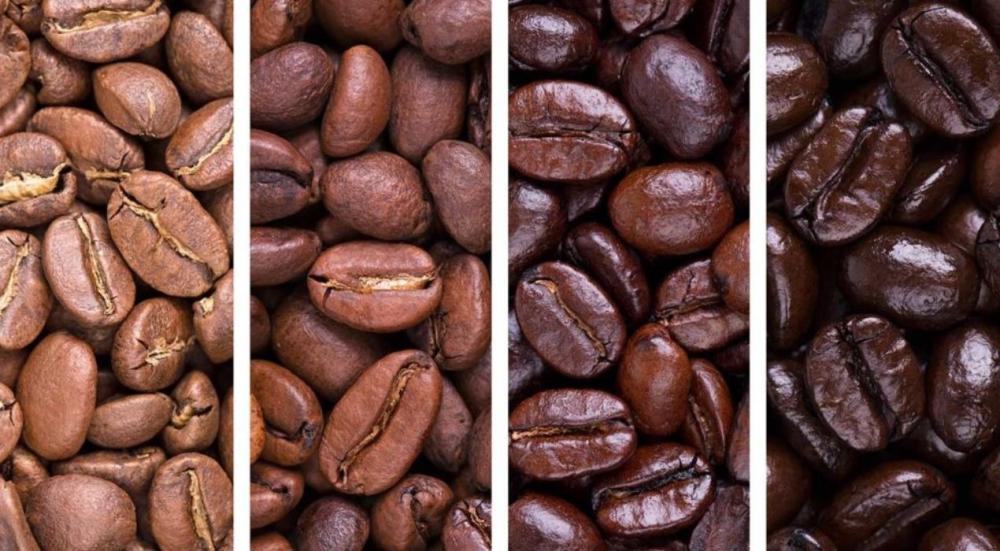
The roasting process is the essence of coffee flavor and the secret to its unique taste from cup to cup. Each roast level reveals new facets of the beans and gives them a distinctive character. Light roasts begin with citrus and fruity notes, progressing through medium roasts for a balanced finish, and finally dark roasts for a deep, rich flavor with caramelized undertones. It's a journey of flavors where the identity of the coffee is forged through heat, time, and precision.
As for Abriq, it is the premier destination for specialty coffee lovers in Saudi Arabia, combining the finest coffee beans with the latest international brewing equipment. Thanks to its attention to detail and passion for the world of coffee, Abriq has become a symbol of excellence for anyone seeking a unique experience that combines exquisite taste with professional performance in every cup.
What are the different types of coffee roasting?
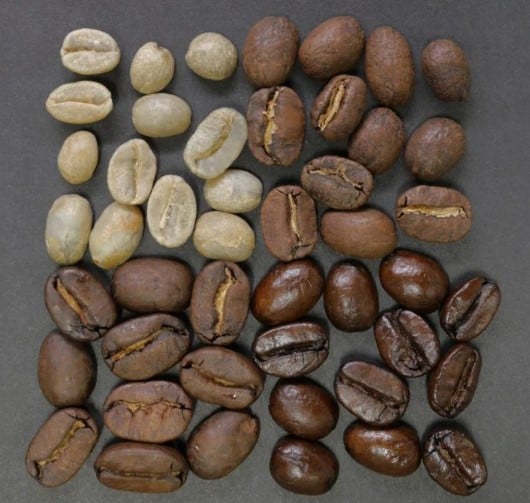
Hot air roasting
This is one of the most precise and modern methods, where coffee beans are exposed to currents of hot air circulating around them in a balanced manner, resulting in a uniform and rapid roast. This method produces a clean and distinct flavor and is often used in specialty coffee roasters to ensure consistent quality in every batch.
slow roasting
It is brewed at lower temperatures and for a longer time than other methods, allowing the flavors to develop gradually and in a balanced way. This technique gives the coffee a harmonious blend of sweetness and aromatic richness, and is often used to highlight the complexities of specialty coffee.
Roasting on the grill
This method uses direct heat from a flame or charcoal, giving the coffee a smoky character and a unique, deep flavor. While traditional, this method is beloved by lovers of strong flavors, as it combines a rustic feel with a roast rich in natural aromas.
Pan roasting
A traditional, manual method, once common in older homes, involves roasting the beans in an open pan while stirring continuously. Despite its simplicity, it offers direct control over the roasting degree and produces a distinctive flavor that captures the warmth and homely touch of authentic coffee.
The most important secrets of coffee roasting
- Choose fresh, high-quality beans: Coffee loses its flavor shortly after grinding, so it is preferable to roast fresh beans to preserve their aromatic oils and natural flavors.
- Choose the right roasting method: Flavors vary depending on the technique used, whether it's hot air, grilling, or slow roasting. Each method has its own effect on flavor and texture.
- Setting the right temperature: The water temperature should be between 90 and 96 degrees Celsius to achieve a balanced extraction that reveals subtle flavors without burning or excessive acidity.
- Adjust the roast level carefully: The level of roasting directly affects the taste; light gives you fruity and acidic flavors, medium balances sweetness and bitterness, and dark gives a strong and rich character.
- Use pure, balanced water: Water makes up more than 90% of a cup of coffee, so it is advisable to use pure, impurity-free water to ensure a clear and distinctive flavor.
- Choose the right brewing tool: The result will vary depending on the tool, whether it's a V60, Chemex, French press, or espresso machine. Select the tool that best showcases your preferred coffee flavor.
The best coffee crops from the coffee shop
Costa Rica Piedra Alta Jug - Chocolate and Caramel
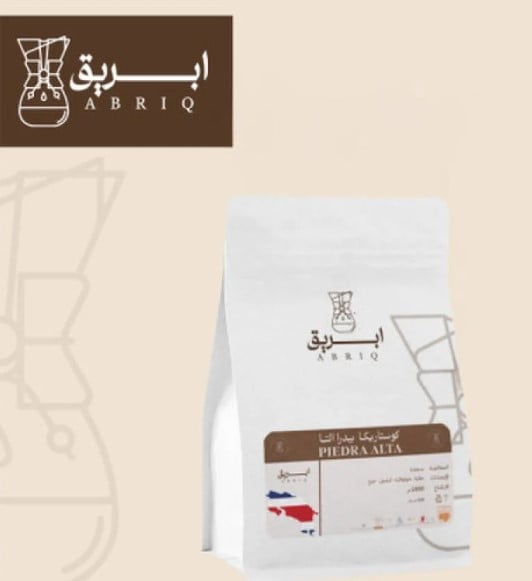
Enjoy a unique experience with balanced, natural chocolate and caramel flavors that enhance the richness of every sip. Growing beans at high altitudes gives the coffee exceptional quality and a distinctive, unforgettable character for specialty coffee lovers. Natural processing reflects the authentic character of the crop and clearly highlights its unique flavors.
Ideal for specialty coffee lovers seeking a rich and complete experience, whether brewed hot or cold. The balanced body and pronounced flavor make each cup a true journey into the world of fine coffee. Enjoy a complete taste experience that combines authenticity and excellence in every moment.
Xavi - El Salvador | Black Knight
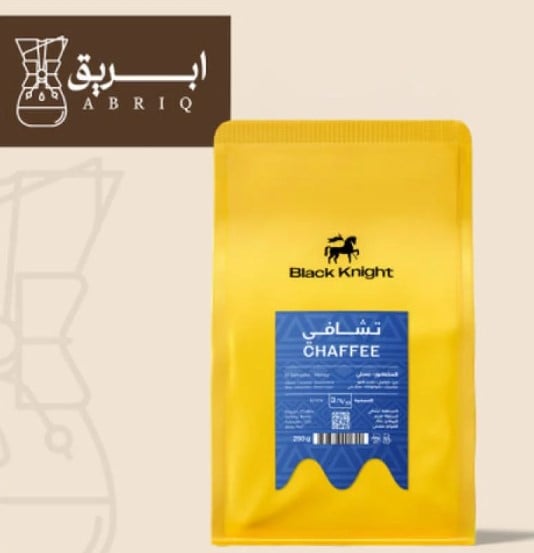
Enjoy an exceptional coffee experience with Chavey, where the honey treatment delivers a rich and balanced flavor in every sip. The body is full and creamy, with distinct hints of chocolate and caramel that add depth and warmth to the taste.
This coffee bursts with the flavors of almond milk, nuts, and brown sugar, offering a perfect balance of sweetness and subtle acidity. Ideal for both hot and cold brew, it satisfies the expectations of lovers of classic coffee that is both rich and fruity.
Flavors Journey Crop Box
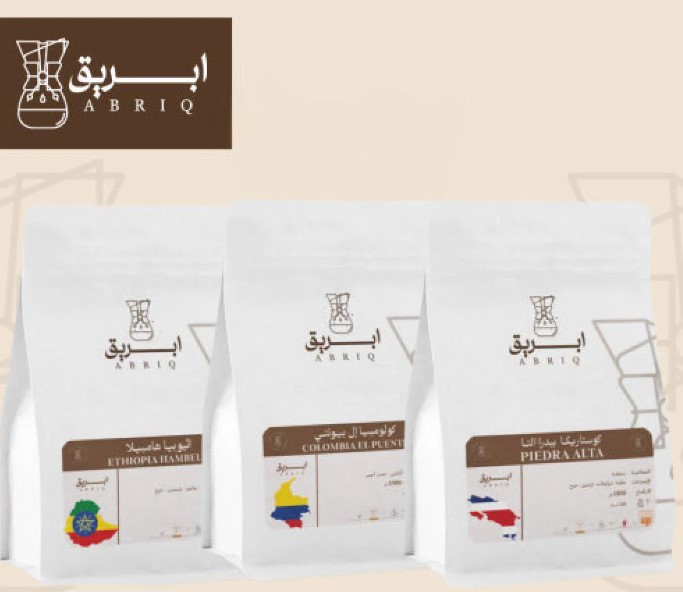
Enjoy an exceptional coffee experience that takes you on a journey around the world with three carefully selected crops from the finest farms in South America, Colombia, and Ethiopia. Each crop offers unique flavors, from chocolate and caramel with a hint of peach in Costa Rica, to tropical fruits like pineapple and red grapes in Colombia, and jasmine, red fruits, and mango in Ethiopia.
The beans are grown at high altitudes and naturally processed to ensure high quality and rich flavor in every cup. The Flavor Journey Box from Ibriq Coffee Shop is ideal for specialty coffee lovers, offering a complete experience with all brewing methods, whether V60, Chemex, or espresso, allowing you to enjoy a variety of flavors and aromatic depth in every sip.
What is coffee roasting?
Coffee roasting is the thermal process by which green beans are transformed into roasted beans rich in distinctive flavors and aromas. This stage plays a crucial role in developing the taste of coffee, as the duration and temperature to which the beans are exposed determine the nature of the flavors that will emerge in each cup.
What is the importance of roasting coffee beans?
Roasting coffee beans is the essential step that transforms green beans into an aromatic treasure rich in flavor and depth. Unroasted beans are high in acid but lack distinctive flavor, while roasting releases natural oils and transforms the acids into complex and rich flavors, giving coffee its unique character.
In addition to enhancing flavor, roasting improves the stability and durability of the beans, making them firmer and able to retain their quality for longer compared to green beans. Roasting also increases the beans' extractability, making them ideal for various brewing methods such as espresso, where roasting imparts depth, richness, and caramel to every cup.
What are the different roast levels for coffee?
light roasting
This grade is characterized by its light brown color and dry texture, where the beans retain their natural characteristics and their original flavors are clearly revealed. It features hints of berry, citrus, and floral notes with high acidity and a refreshing finish. It is preferred by drip coffee enthusiasts, as manual brewing methods such as the V60 and Chemex reveal its subtle layers and refined taste.
Medium roast
This is the perfect choice for those who appreciate a balance between sweetness, acidity, and bitterness, with its medium brown color and rich flavors that blend coffee essence with hints of caramel and nuts. Suitable for various brewing methods, whether by hand or machine, it's ideal for those who prefer a well-balanced and sensory experience.
medium dark roast
It is characterized by its dark brown color and slight sheen resulting from the coffee oils, combining a robust flavor and distinctive sweetness with a subtle hint of bitterness. It is an ideal choice for those who prefer a bold taste without sacrificing the balance between smoothness and depth.
dark roast
At this stage, the coffee reaches its peak of richness and boldness, with a deep, glossy dark color and a rich aroma that blends hints of dark chocolate, cocoa, and burnt caramel. This level is perfect for espresso and Turkish coffee lovers, and it pairs seamlessly with milk or cream to deliver a powerful and lasting taste that leaves its mark with every sip.
The main benefits of coffee roasting
- Improved grain stability: Roasted grains are less prone to spoilage compared to green grains, which preserves their quality for a longer period.
- Unlocking natural flavors and oils: Roasting transforms the acids in the beans into complex flavors and brings out the rich, distinctive aromas of each type of coffee.
- Increased extraction: Roasted beans dissolve more easily, making it easier to prepare coffee using methods such as espresso and drip coffee, and ensuring a balanced and rich taste.
Factors that affect the final flavor of coffee
- Coffee bean type: Each type of bean has its own unique flavors that vary between acidity, caramel, or dark chocolate.
- Preparation method: The degree of grinding and extraction time directly affect the concentration of flavors and the acidity or bitterness of the coffee.
- Storage method: Improperly stored grains quickly lose their essential oils, so they should be kept in a cool, dry, and tightly sealed place.
- Coffee preparation tools: Using the right grinder and the correct use of machines, whether drip or espresso, enhances the precise extraction of flavors and ensures a balanced and rich coffee experience with every sip.
How to roast green coffee
- Prepare a coffee roaster, fresh green coffee beans, and a timer to monitor the roasting process precisely. Using fresh beans ensures a rich and pronounced flavor from the start.
- Heat the toaster to the appropriate temperature for the type of toasting you want; light toasting requires less heat than dark toasting.
- Place a small amount of grains (about half a cup - 125 grams) in the toaster and start stirring continuously to ensure even roasting of all the grains.
- Observe the transformation of the grain aroma from grassy to a rich coffee scent, while tracking the grain color until it reaches your preferred roast level.
- Once the desired color is reached, remove the beans immediately and let them cool completely before grinding, to ensure flavor retention and prevent over-roasting.
Key benefits of roasted coffee
- Supporting brain health: Research has shown that coffee plays a role in reducing the likelihood of developing Parkinson's and Alzheimer's diseases, as it slows down the development of these neurological disorders and maintains the health of nerve cells.
- Boosting focus and mental activity: Thanks to its natural caffeine content, coffee contributes to improved attention and the ability to perform complex tasks such as driving or studying, making it an ideal companion for achievement and creativity.
- Improving digestive health: Coffee stimulates bile secretion and contributes to the breakdown of fats, which supports digestion and reduces the risk of gallstones or colitis.
- Prevention of chronic diseases: Moderate coffee consumption helps reduce the risk of type 2 diabetes, heart disease, and some types of cancer by improving insulin sensitivity and regulating cholesterol and blood pressure levels.
What are the different grind settings for coffee?
- Extra Coarse Grind: Large beans resembling rock salt granules, often used in cold brew methods or some types of Turkish coffee. This grind allows for slow extraction, resulting in a smooth, mild flavor without excessive bitterness.
- Coarse Grind: Its texture resembles coarse sugar granules, and it's typically used in French presses or slow brewers. This grind allows water to pass easily through the beans, resulting in a balanced and richly textured brew.
- Medium-coarse grind: Similar to brown sugar granules, this is an ideal choice for percolators or some manual brewing methods. This grind provides a balanced extraction that highlights the coffee's natural flavors without sacrificing depth.
- Medium Grind: The most common grind size, similar in texture to coarse salt, and used for brewing drip coffees like V60 and Hario. It allows for excellent control over extraction time and provides a balance between acidity and sweetness.
- Medium-Fine Grind: A slightly finer grind, suitable for tools like the Chemex and AeroPress, yields a more concentrated and flavorful brew. This grade is an excellent choice for coffee lovers seeking a balance between fineness and strength.
- Fine Grind: Similar in fineness to powdered sugar, it is commonly used for espresso. This grind allows for rapid extraction under high pressure, producing a strong, thick coffee with a rich, creamy layer.
- Extra Fine Grind: The finest grind, similar in texture to flour, used in preparing Turkish coffee and some specialty drinks like latte macchiato. It imparts a rich body and intense flavor that powerfully engages the senses from the first sip.
How to choose the perfect coffee roast for you
- Preparation method: The flavor varies depending on the use of espresso, French press, or drip brewing methods.
- Your personal taste: Do you prefer acidic and mild flavors, or a rich and strong taste?
- When to consume coffee: You may prefer a light roast in the morning for a refreshing energy boost, or a dark roast in the evening for a concentrated and calming coffee.
Top tips for improving coffee flavor and quality
- Avoid over-extraction: Increased brewing time or over-grinding will result in bitter, flat coffee. Adjust the proportions precisely to maintain a balance between acidity, sweetness, and bitterness.
- Use high-quality coffee filters: A good filter preserves the purity of the flavor and prevents the absorption of aromatic oils that give coffee its natural depth. Choose filters made from materials specifically designed for specialty coffee for a purer and more balanced taste.
- Add your own touches in moderation: milk, cream, or a little sugar can add warmth and consistency to the flavor, provided they are used in moderation so as not to overpower the original taste of the coffee.
Frequently Asked Questions
What is the difference between light, medium and dark roasting?
Light roast preserves the original coffee flavors and clear acidity, medium roast is balanced between sweetness and bitterness, while dark roast gives a strong, bitter taste suitable for espresso.
What are the best cooking tools for each degree of roasting?
Light roast is suitable for drip coffee such as V60 or Chemex, medium works well with Aeropress and French Press, and dark roast is ideal for espresso or Turkish coffee.
How does the degree of roasting affect the flavor of coffee?
Light roasting brings out the natural flavors of citrus and fruits, while dark roasting gives rich, roasted flavors like chocolate and caramel.
Does the degree of roasting affect the caffeine content?
Yes, light roasts contain more caffeine than dark roasts, because the high heat during roasting gradually reduces the caffeine content.
Does the caffeine content vary between roasting degrees?
Yes, a light roast retains a higher level of caffeine compared to a dark roast, making it a suitable choice for boosting energy, especially in the morning.
How long does it take to roast Arabic coffee?
A quick roast takes 5–10 minutes at high heat and is used to achieve a light blonde color. This method of roasting coffee in a quick roaster allows you to highlight the subtle flavors and natural acidity.
In conclusion, the different roasts of coffee remain the true key to discovering the world of flavors and the depth of experience that gives coffee its unique magic. Choosing the right roast level is not just a matter of preference; it's an art that defines the taste and creates an exceptional moment with every sip. And because excellence begins at the source, Ibriq Store is your ideal choice for acquiring the finest specialty coffee beans and professional brewing equipment, allowing you to enjoy a coffee experience worthy of your refined taste.
