
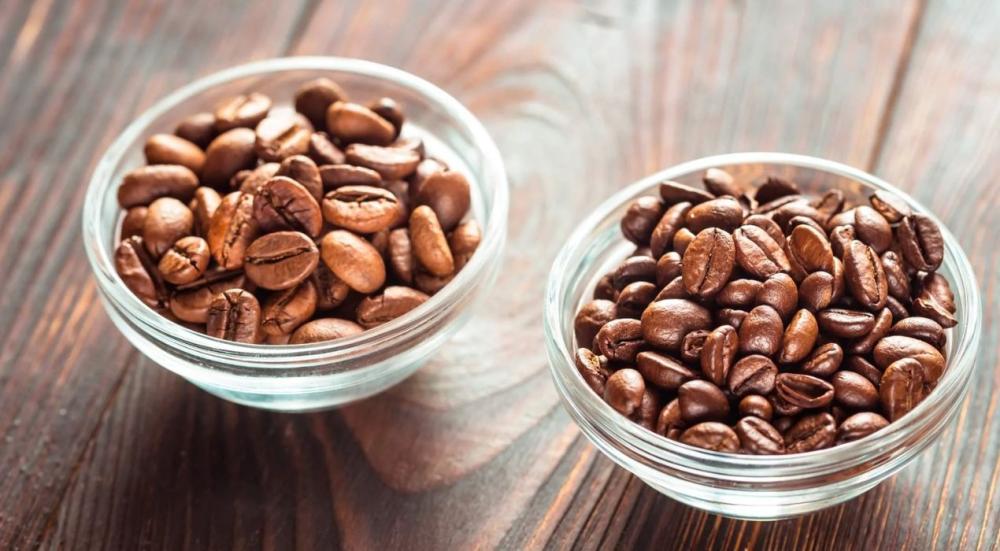
The difference between specialty and non-specialty coffee lies in the quality and attention to detail that makes all the difference with every sip. Specialty coffee is carefully cultivated in specific environments and evaluated according to global standards that guarantee pure taste and rich flavor, while non-specialty coffee lacks this level of precision and care. It's not just a beverage; it's a complete experience that combines science, art, and passion.
Ebreeq stands out as the premier coffee shop in Saudi Arabia for specialty coffee lovers and brewing equipment, offering a curated selection of the finest beans and premium accessories. The shop combines authenticity and expertise to deliver a perfect coffee experience every time. With Ebreeq, enjoying specialty coffee becomes a lifestyle befitting discerning taste.
What is the difference between specialty and non-specialty coffee?
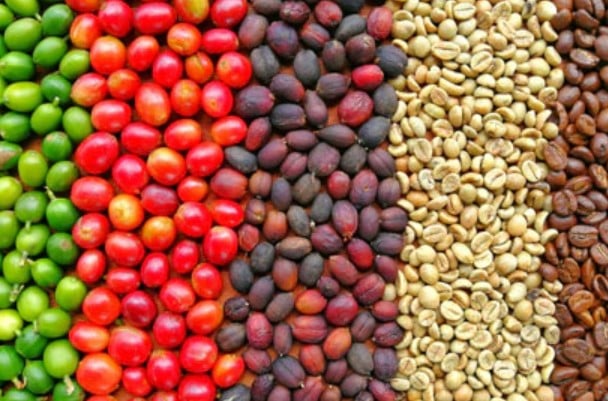
Cultivation and processing methods
Specialty coffee relies on meticulous and sustainable farming methods that consider the environment and soil quality. The beans are hand-harvested to select only the finest. They are then processed using sophisticated techniques such as wet processing or natural drying to highlight the unique flavor profiles of each bean variety. In contrast, non-specialty coffee is grown mechanically to maximize production and is often processed using traditional, rapid methods, resulting in a loss of some of its distinctive aromatic and flavor characteristics.
Quality and source
Specialty coffee begins its journey on carefully selected farms in tropical regions renowned for their high-quality produce, such as Colombia, Ethiopia, and Brazil. Here, the beans are grown in ideal environments at high altitudes, resulting in unique and balanced flavors. Every stage, from cultivation to roasting, is monitored according to strict standards to ensure pure taste and consistent quality.
Non-specialty coffee, on the other hand, is grown on huge production farms, often by mixing multiple types of beans, which makes the taste inconsistent and reduces the sensory value of the drink, as the focus is on quantity more than quality.
Preparation methods
Preparing specialty coffee requires precise tools and techniques such as the Pour Over, Aeropress, Chemex, or even cold brew, where each cup is carefully prepared to bring out the true flavor of the beans. Non-specialty coffee, on the other hand, is often prepared using traditional or instant machines without precise measurements, which negatively impacts the final flavor and quality of the beverage.
Roasting
Roasting specialty coffee is an art form in itself, requiring precisely controlled temperatures to bring out the natural nuances of the beans, from fruit and chocolate to cocoa and even floral notes. A professional roaster meticulously controls every second of the roasting process to achieve the perfect balance of sweetness and acidity. In contrast, non-specialty coffee is often roasted in large quantities and using a uniform method that doesn't account for the variety of beans, resulting in a flat or excessively bitter flavor.
Flavor and sensory experience
Specialty coffee is known for its diverse and rich flavor profile; you can savor a harmonious blend of fruit, nut, spice, or chocolate notes, depending on the bean's origin and processing method. It's a complete sensory experience that clearly reveals the identity of each type of coffee. In contrast, regular coffee has simpler, less complex flavors, often dominated by bitterness or sourness, lacking depth or distinct flavor nuances.
Price and value
Specialty coffee is relatively more expensive due to the meticulous processes involved in cultivation, processing, and roasting, as well as the international certifications that guarantee its quality. However, the value it offers in terms of taste and experience is well worth the price. In contrast, non-specialty coffee is offered at lower prices because it is produced in large quantities and marketed to the general public, making it a more economical option at the expense of quality and unique character.
Traceability and transparency
Specialty coffee is a prime example of transparency and trust, as its origin can be precisely traced from farm to cup, including the farmer's name, region, and processing method. This level of transparency gives the consumer a deeper understanding of the coffee's journey and a greater appreciation for every detail. Non-specialty coffee, on the other hand, typically lacks this transparency, making it difficult to accurately determine the origin of the beans or their production methods.
Sustainability and ethical practices
Specialty coffee places great importance on sustainability and equity throughout the production chain, by directly supporting farmers and implementing environmentally friendly agricultural practices. This commitment is reflected in the quality of the beans and in a positive socio-economic impact on the producing communities. As for coffee... Non-specialized products are often produced within huge supply chains that focus on productivity and may, in some cases, neglect environmental and ethical aspects.
Culture and appreciation
The specialty coffee culture in Saudi Arabia is growing rapidly, with enthusiasts seeking to discover new flavors and experience professional tastings that elevate their palate. Specialty cafes have become sophisticated destinations that combine passion, knowledge, and a complete sensory experience. Meanwhile, coffee remains... The non-specialty option is the most popular everyday choice thanks to its ease of preparation and wide availability at affordable prices.
Personalized experience and customization
Specialty coffee offers its enthusiasts incredible freedom of choice, from bean type and roast level to preferred brewing method, transforming each cup into a unique, personalized experience. It's designed to suit every taste and reflect individual personality with every sip. Non-specialty coffee, on the other hand, focuses on practicality and a uniform flavor profile, catering to consumers seeking speed and convenience.
The finest specialty coffees from the Ibriq store
Ethiopian teapot - fruit and flower flavors
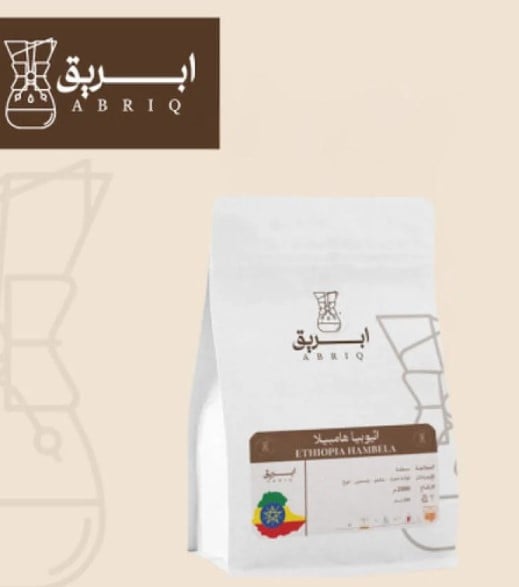
The Ethiopian coffee pot transports you to the heart of the Ethiopian highlands, where the beans grow amidst pristine nature, offering captivating flavors that blend tropical fruits and uniquely aromatic flowers. Every sip delivers a harmonious mix of sweetness and balanced acidity, showcasing the authenticity of Ethiopian coffee.
Thanks to its meticulous natural processing, this coffee acquires a depth of flavor and a purity of aroma, making your experience unique in every detail. It is the perfect choice for specialty coffee lovers seeking an exceptional flavor that reflects the beauty of nature and the richness of its origins.
Costa Rica Piedra Alta Jug - Chocolate and Caramel
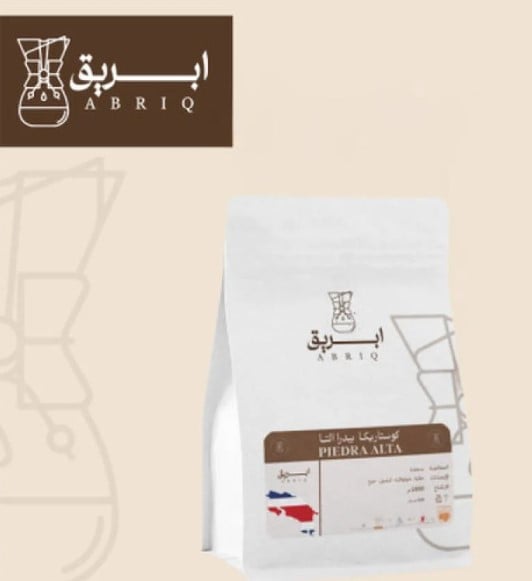
The Costa Rican Piedra Alta coffee pot takes you on a unique journey with its luxurious chocolate flavor and rich caramel notes. Its beans are grown in the fertile highlands of Costa Rica, where natural conditions give each bean a balanced flavor and exceptional quality that satisfies the discerning palates of coffee lovers.
Thanks to its precise natural processing, this pot offers a harmonious taste that combines sweetness and aromatic depth, giving you a sophisticated specialty coffee experience that expresses the perfect balance between flavor and excellence.
Package 2 Ethiopian Crops + Box of Envelopes
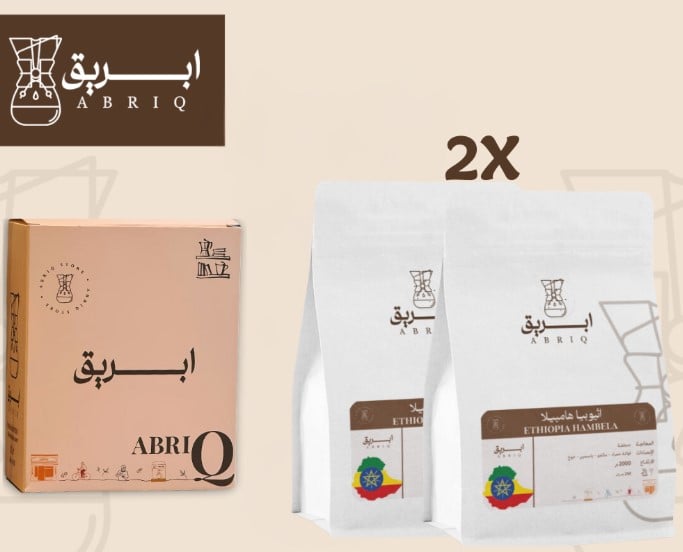
Experience a unique coffee blend with the Ethiopian Crops Double Pack + Envelope Box, where fragrant fruity notes meet elegant floral touches for a stunning balance in every cup. The beans undergo a natural processing process that preserves crop quality and highlights the true taste of authentic Ethiopian coffee.
The box comes in a practical design with ready-to-use sachets, allowing you to enjoy specialty coffee wherever you are. It's an ideal choice for coffee lovers seeking a variety of flavors and an experience worthy of the luxury of Ethiopian beans.
What is specialty coffee?
Specialty coffee represents the pinnacle of coffee excellence, undergoing a meticulous journey from farm to cup to ensure exceptional quality in every sip. Its beans are cultivated in ideal environments, combining the perfect altitude, rich soil, and balanced climate to bring out their unique flavors. They are carefully selected and hand-picked according to stringent standards exceeding 80 points on the global quality scale. After expert roasting by specialists, specialty coffee is presented as an unparalleled blend of craftsmanship and luxury.
What is non-specialty coffee?
Non-specialty coffee is produced in massive quantities to meet general consumption without focusing on nuanced details or flavor quality. It often comes from multiple sources and scores below 75 on a quality scale, resulting in repetitive and less distinctive flavors. While readily available, affordable, and quick to prepare, it lacks the depth and complexity that characterize specialty coffee. This clearly highlights the difference between specialty and non-specialty coffee in terms of care, quality, and the overall experience.
Which is better for you, specialty coffee or non-specialty coffee?
Your choice between specialty and non-specialty coffee depends on your taste and lifestyle. If you appreciate the finer details, value the journey of coffee from farm to cup, and enjoy exploring deep flavors and the ethical sourcing of beans, then specialty coffee is the perfect choice for a unique experience that goes beyond just a regular cup.
If you're looking for a quick caffeine boost without any hassle or special preparation, then specialty coffee is the perfect choice. It's practical, easy to prepare, and reasonably priced for everyday use. You don't have to limit yourself to just one type; the world of coffee is vast and ever-evolving. You can enjoy the luxury of specialty coffee during moments of relaxation, while also relying on specialty coffee to kickstart your day quickly and energetically.
Specialty coffee culture and its spread
- Dark coffee and lovers of strong flavors: Many consumers prefer dark coffee with a concentrated flavor and no acidity, and these may find commercial or deep roasted coffee more suitable to their taste than specialty coffee.
- Consumer preference: Specialty coffee is typically roasted to a medium level to preserve its unique flavors and nuances, often resulting in a degree of natural acidity. Therefore, it may not be suitable for those who prefer balanced or acid-free flavors.
- Different tastes and experiences: Approximately 90% of coffee lovers are simply looking for a cup that gives them energy and a delicious taste without delving into the details of flavor or source, which shows that specialty coffee is not the only option for enjoying coffee, but rather part of a beautiful variety that meets different tastes.
Frequently Asked Questions
What are the different types of filtered coffee according to the method of preparation?
Filter coffee brewing methods vary, each giving a unique flavor profile to every cup. The V60 offers balanced extraction thanks to its conical filter that allows water to flow smoothly. Chemex delivers exceptional purity with its thick filter and elegant design, while the Aeropress combines pressure and filtration to produce concentrated, sediment-free coffee. The Kalita features a flat base that ensures even water distribution and consistent extraction every time.
What are the different types of coffee and how are they prepared?
- Drip coffee: relies on slow filtration with hot water, as in the V60 and Chemex, to produce a balanced coffee.
- Turkish and Arabic coffee: It is prepared by boiling and spices add their special touches, while additions such as milk or chocolate are used in mixed drinks such as cappuccino and latte.
- Espresso: Extracted by forcing hot water through finely ground coffee to produce a concentrated coffee with a rich crema.
What is the importance of temperature in highlighting the flavors of specialty coffee?
Temperature is a crucial factor in bringing out the flavors of coffee, as it controls the extraction rate and the quality of the taste. Cold water produces a bland, underpowered coffee, while excessively hot water results in a bitter, unbalanced flavor. The ideal temperature range is between 90 and 96 degrees Celsius, ensuring optimal extraction that reflects the true depth of the specialty coffee beans.
Ultimately, the difference between specialty and non-specialty coffee lies in the superior quality and meticulous attention to every stage of preparation, from bean selection to extraction method. For coffee lovers seeking excellence, Ibriq offers a unique experience combining premium coffee with professional brewing equipment. With Ibriq, tasting specialty coffee becomes a complete journey of mastery and refined taste.